
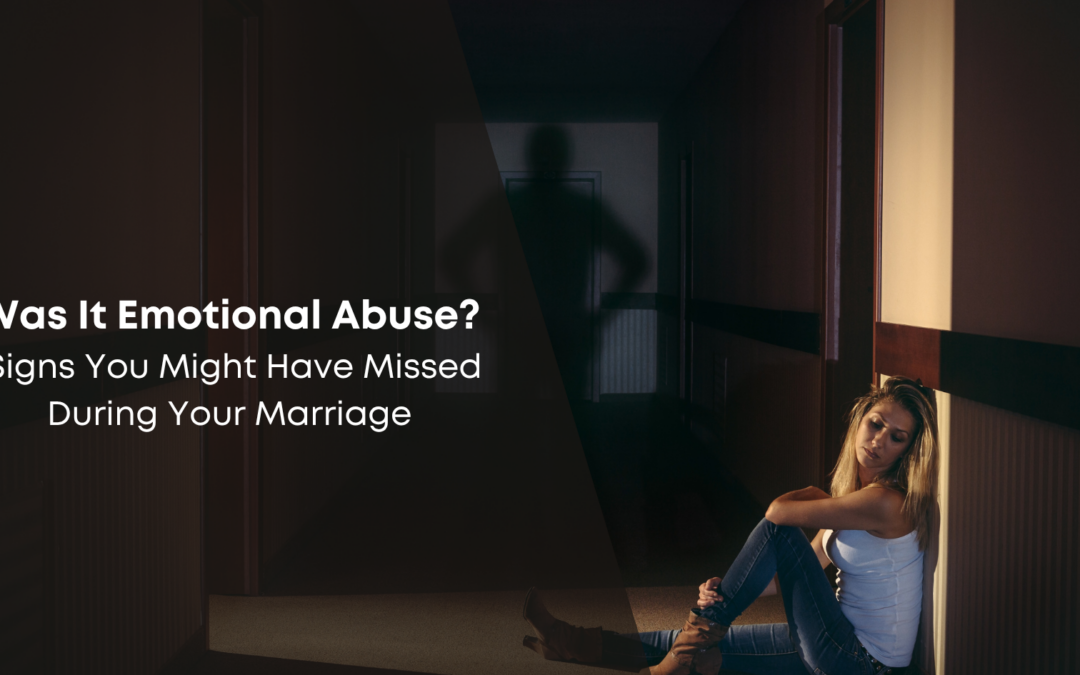
You’re lying awake at night, replaying conversations from years ago—the ones that didn’t feel right but were never loud enough to call “abuse.” Maybe it was the way your concerns were dismissed, or how you always ended up apologizing, even when you didn’t know what you did wrong. Now that divorce is on the table, a question keeps surfacing: Was that emotional abuse? And if it was… what does that mean for everything that comes next?
The Problem: When Something Felt Wrong—but You Couldn’t Prove It
For many people going through divorce, emotional abuse isn’t obvious until much later.
On the surface, things may have looked “normal.” There were no visible bruises, no dramatic outbursts every day. But behind closed doors, you may have experienced:
- Constant criticism or subtle put-downs
- Being ignored, dismissed, or shut out
- Manipulation, guilt-tripping, or gaslighting
- Walking on eggshells to avoid conflict
As the divorce begins, these patterns don’t just disappear—they often intensify. Communication becomes harder. Negotiations feel impossible. You may feel like your voice still doesn’t matter.
And internally, it can be even more confusing.
You might question your own memory.
You might wonder if you’re overreacting.
You might feel shame for “not seeing it sooner.”
This emotional fog makes it incredibly difficult to make clear, confident decisions during divorce—especially when it comes to finances, parenting, and your future.
And at a deeper level, something about it just feels deeply unfair.
No one should have to second-guess their own reality. No one should feel diminished, controlled, or silenced in a marriage. And no one should have to carry that confusion into the next chapter of their life.
The good news? It doesn’t have to be this way.
A Better Way Forward
My name is Steven Unruh, and I’m a divorce mediator with more than 40 years of experience helping individuals and couples navigate even the most difficult separations.
I’ve worked with many people who didn’t initially recognize emotional abuse—but felt its effects deeply. I want you to know two things:
- What you experienced matters.
- There is a healthier, more respectful way to move through divorce.
Mediation, when done right, can create a structured, calmer environment where your voice is heard and decisions are made with clarity—not fear.
Let’s start by identifying some of the signs you may have missed.
1. You Were Constantly Doubting Yourself
If you frequently second-guessed your thoughts, feelings, or memories, that’s a major red flag.
Emotional abuse often shows up as gaslighting—where your partner denies events, twists facts, or makes you feel like you’re “too sensitive” or “remembering things wrong.”
Over time, this erodes your confidence and makes you more dependent on their version of reality.
2. You Felt Like You Could Never “Win”
Did every disagreement somehow end with you apologizing?
Emotionally abusive dynamics often involve:
- Shifting blame
- Avoiding accountability
- Turning the conversation back on you
No matter how reasonable your concern was, it likely felt like you were always in the wrong.
3. Your Needs Were Minimized or Ignored
Healthy relationships make space for both people’s needs.
If your feelings were regularly dismissed—“You’re overreacting,” “That’s not a big deal,” or silence altogether—you may have learned to stop speaking up.
During divorce, this pattern can carry over, making it harder to advocate for yourself in important decisions.
4. You Walked on Eggshells
If you found yourself constantly monitoring your tone, words, or behavior to avoid conflict, that’s not normal relationship tension—that’s a sign of emotional instability in the dynamic.
This kind of environment creates chronic stress and anxiety, which can linger long after separation begins.
5. Control Was Subtle but Powerful
Not all control is obvious.
It can look like:
- Managing finances without transparency
- Isolating you from friends or family
- Making decisions without your input
- Using guilt or pressure to influence your choices
These patterns can make you feel stuck—even when you’re trying to leave.
“But Maybe It Wasn’t That Bad…”
It’s common to minimize emotional abuse, especially during divorce.
You might think:
- “At least they never hit me.”
- “Other people have it worse.”
- “Maybe I’m just too sensitive.”
But here’s the truth: emotional harm is still harm.
And recognizing it isn’t about blaming—it’s about understanding what you’ve been through so you can make better decisions moving forward.
Mediation doesn’t require you to label your spouse or relive every painful moment. Instead, it focuses on creating a fair, respectful path forward—something many people haven’t experienced in a long time.
Take the First Step Toward Clarity and Peace
Imagine going through your divorce feeling:
- Clear about what matters to you
- Confident in your decisions
- Heard, respected, and supported
- Focused on building a healthier future—for you and your children
That’s what the right process can offer.
As a mediator, my role is to help you move out of confusion and into clarity. To create a space where conversations are productive—not harmful. And to guide you toward agreements that reflect your needs and your future—not past patterns.
If you’re questioning what you experienced—or struggling to navigate divorce with a difficult partner—you don’t have to figure it out alone.
Reach out today to schedule a consultation.
Let’s talk about your situation, your goals, and how mediation can help you move forward with confidence and peace of mind.
Because your next chapter should feel different—and better—than the last.
Recent Comments